
Flexible, Multi-Functional Spaces: Homes Designed for the Way You Live
Today’s homes are expected to do more than ever before. They’re places to cook, sleep, and relax, but they’re also offices, workout spaces, homework hubs, guest retreats, and gathering places for friends and family. As lifestyles continue to evolve, flexible, multi-functional spaces have become a key component of thoughtful residential design.
At Fox Homes, great design starts with how a home supports daily life. By creating spaces that can adapt and serve multiple purposes, homeowners can maximize both functionality and long-term value without sacrificing style.
Why Flexibility Is a Smart Design Choice
Life rarely stays the same for long. Families grow, work situations change, and priorities shift over time. Designing rooms with a single, fixed purpose can feel limiting as those changes happen. Flexible spaces, on the other hand, are designed to evolve alongside your family’s lifestyle.
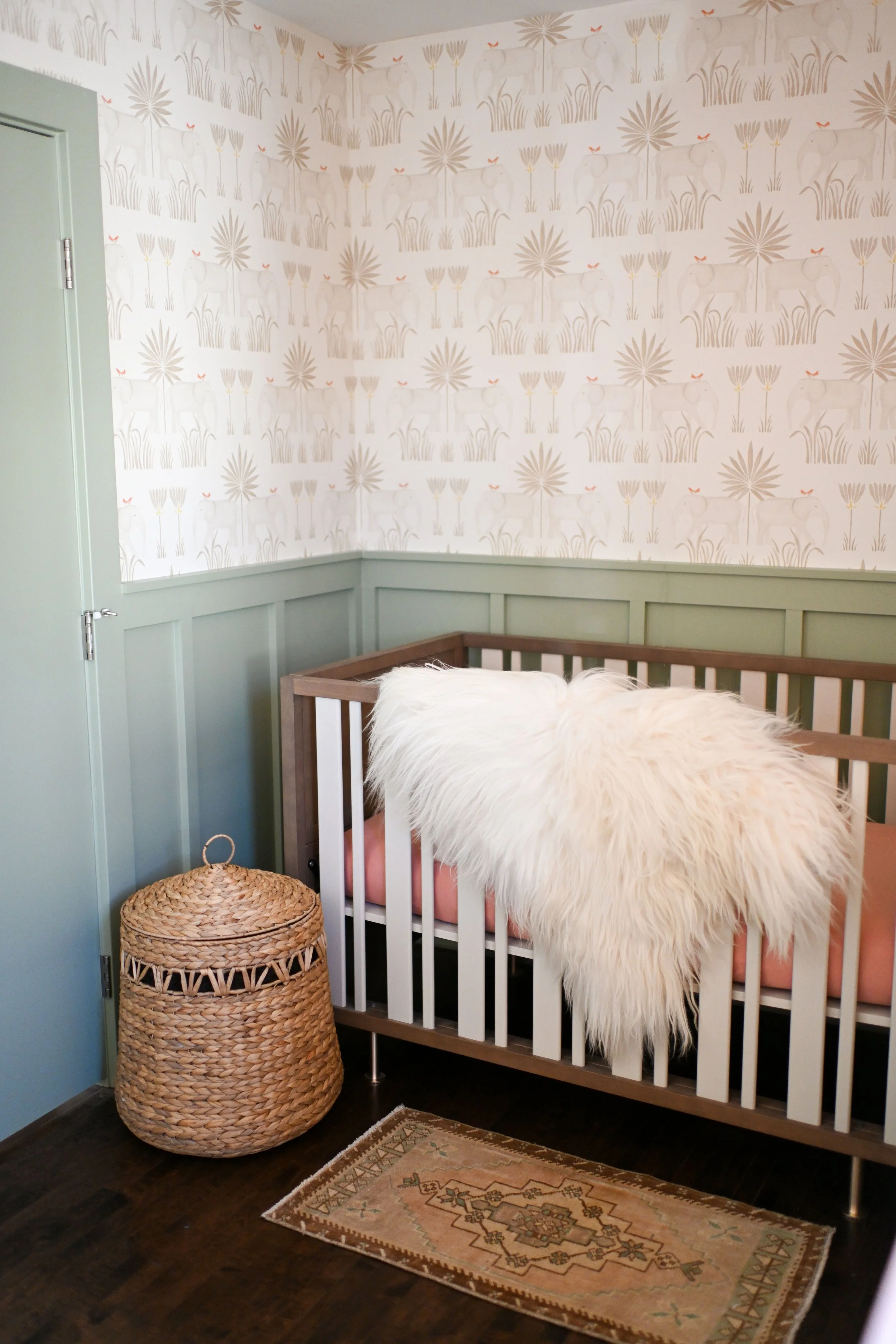
A flex room that works as a home office today may become a nursery tomorrow, then transition into a guest room or hobby space down the road. This adaptability not only makes everyday living easier, but it also adds resale appeal. Buyers increasingly look for homes that offer versatility and spaces they can imagine tailoring to their own needs without major renovations.
From a practical standpoint, flexible design also helps homeowners make better use of their square footage. Instead of adding more rooms, thoughtful planning allows existing spaces to work harder, resulting in a home that feels both efficient and intentional.
Designing Spaces That Can Do More
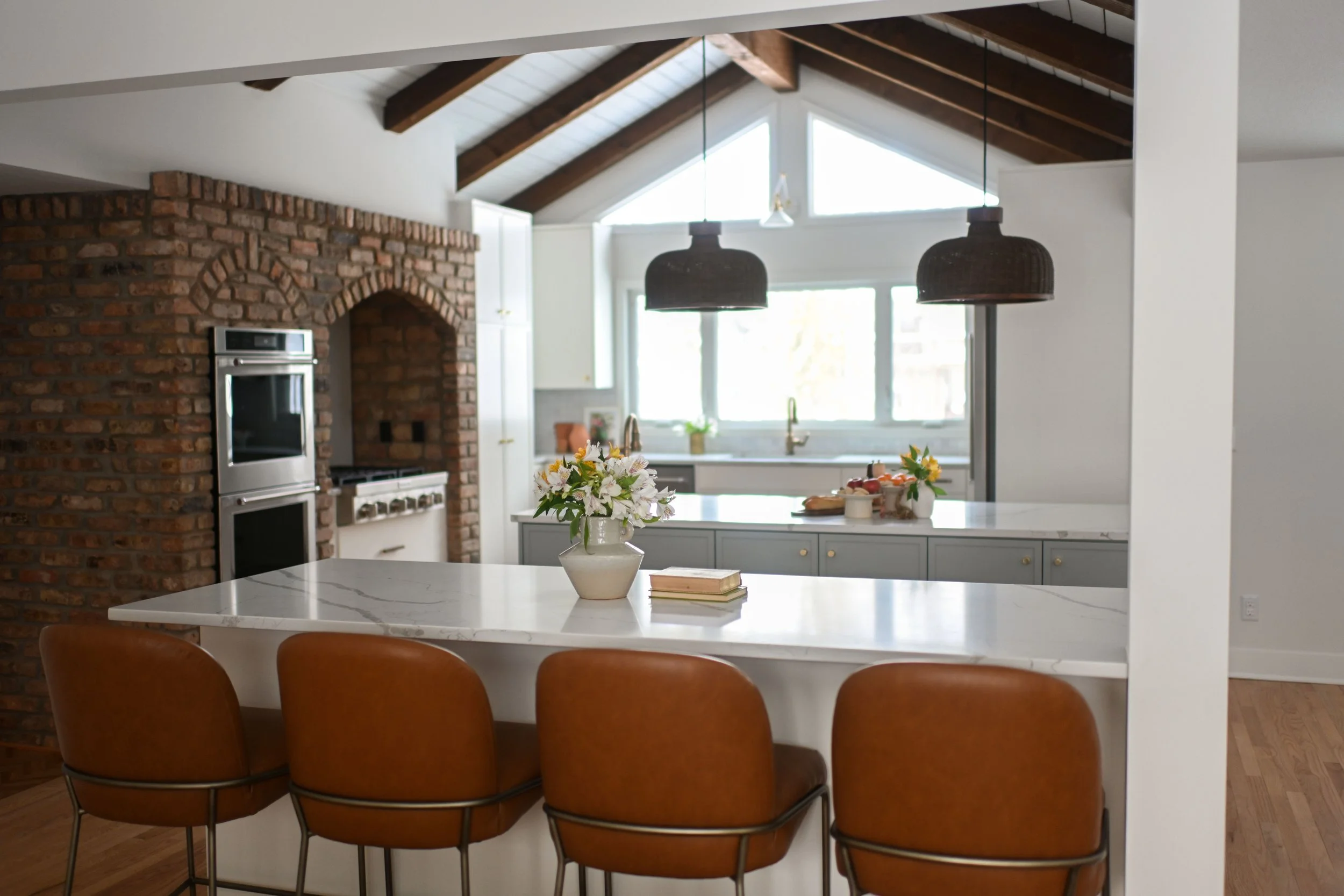
Successful multi-functional spaces begin with conscious planning. Before design even starts, it’s important to consider how a room will be used at different times of day or different stages of life. A basement, for example, might need to function as a family room, workout area, and entertaining space all at once. A spare bedroom may double as an office during the week and a guest room on weekends.
Furniture plays a major role in making these transitions seamless. Built-in desks, custom shelving, Murphy beds, and modular seating allow spaces to shift functions without feeling cluttered or temporary. At Fox Homes, we often incorporate custom cabinetry and built-ins that provide ample storage while maintaining a clean, cohesive look.
Lighting is another critical element. Layered lighting - combining ambient, task, and accent lighting - allows a room to adapt to different uses throughout the day. Natural light, when possible, helps multi-purpose spaces feel inviting no matter how they’re being used.
Open Layouts with Purposeful Zones
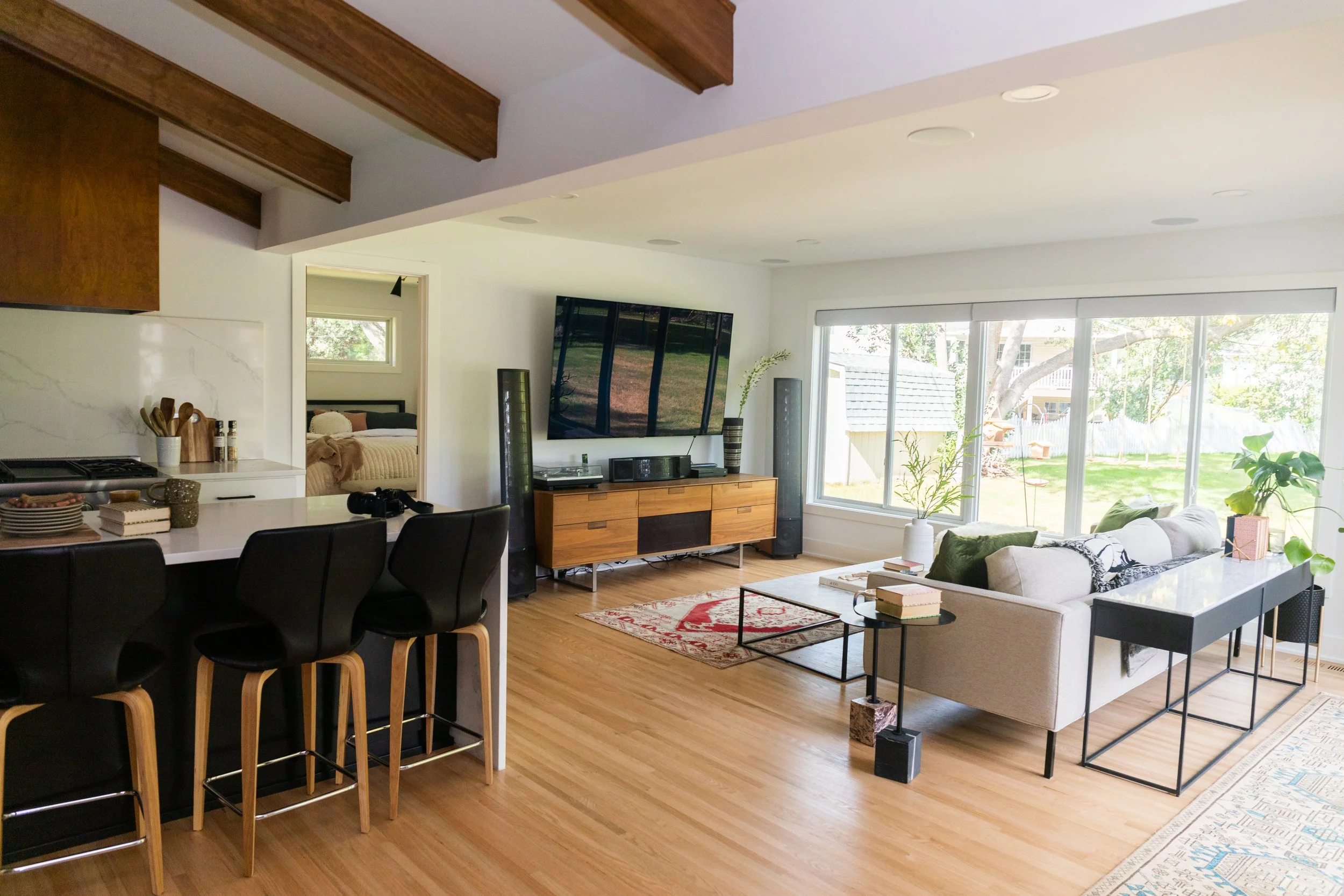
Open-concept layouts remain popular, but the most effective designs balance openness with thoughtful definition. Rather than one large, undefined space, we focus on creating distinct zones that support different activities while still feeling connected.
Design elements like area rugs, ceiling details, built-ins, and strategic furniture placement can visually separate spaces without closing them off. A kitchen island might define cooking and dining areas, while a fireplace or media wall anchors a living space. These subtle cues help maintain flow while allowing multiple activities to happen simultaneously.
Defined zones also make open spaces more adaptable over time. A dining area might function as a homework station during the school years, then transition into a home office or entertaining space later on, all without altering the home’s layout.
Planning for Long-Term Living
One of the biggest advantages of flexible, multi-functional design is future-proofing your home. As needs change, adaptable spaces help prevent costly remodels and allow homeowners to stay in their homes longer.
For many families, that future includes multigenerational living. Whether it’s aging parents or grandparents moving in temporarily or long term, a flexible design allows homes to adjust with ease. A main-level flex room can become a private bedroom, a bonus space can transition into a sitting area or kitchenette, and wider doorways or zero-entry showers can be thoughtfully planned ahead of time.
Planning ahead might include adding extra electrical outlets, reinforcing walls for future built-ins, or designing layouts that can accommodate accessibility needs down the road. These considerations may seem small during construction or renovation, but they make a significant difference over time.
Importantly, flexibility doesn’t mean compromising on design. The most successful multi-functional spaces feel considered, polished, and fully integrated into the home. When flexibility is built into the design from the beginning, spaces feel elevated, not improvised.
At Fox Homes, we design homes that reflect how people actually live. By prioritizing flexible spaces, we help homeowners create environments that adapt, endure, and add lasting value. A well-designed home isn’t just beautiful - it works for you at every stage of life. This kind of planning also supports emotional well-being, allowing families to stay connected while still enjoying privacy and independence within the same home. Thoughtful layouts help everyone feel comfortable, respected, and supported through changing seasons of life. It creates peace of mind, knowing your home is prepared for whatever comes next, without rushed decisions or reactive renovations. Flexibility becomes not just a design feature, but a lifestyle advantage that supports comfort, connection, and long-term confidence for every generation. It allows homes to evolve gracefully, supporting families through change while preserving beauty, function, and value for years to come.