
The Homeowner's Guide to How Long Things Last (And When to Plan for What's Next)
Every home is quietly counting down. The roof above your head, the furnace humming in the basement, the refrigerator keeping your groceries cold - they're all on a clock. As a homeowner, knowing those timelines isn't just trivia. It's how you avoid a $12,000 surprise and plan smart for the long haul.
Here's our guide to how long the major systems and appliances in your home are actually built to last.
Roof & Exterior - Your First Lines of Defense
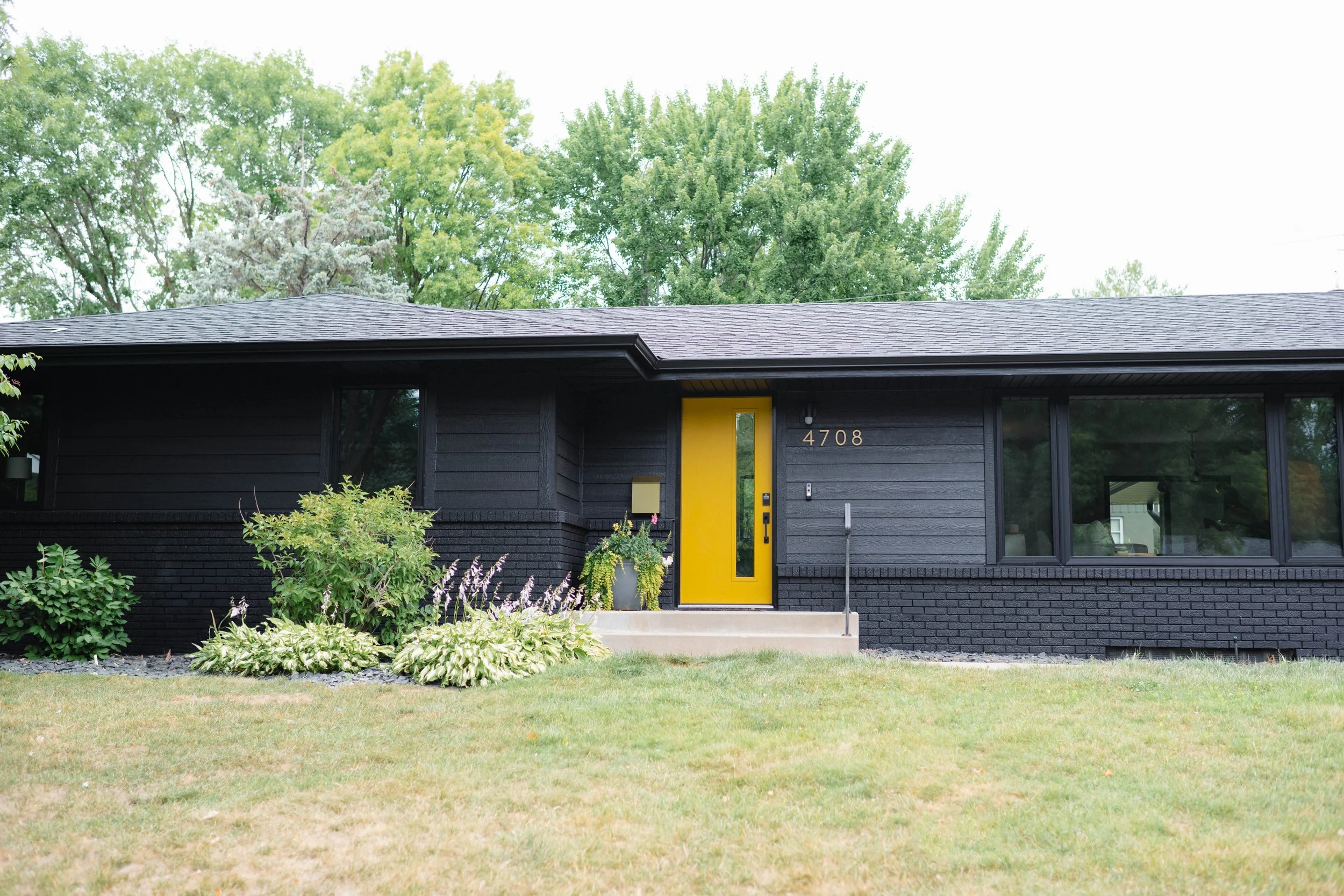
Your roof takes a beating every single day, and its lifespan depends heavily on what it's made of. A standard asphalt shingle roof (the most common type in Minnesota) lasts roughly 20 to 30 years. Architectural shingles push that closer to 30, while metal roofing can last 40 to 70 years. Wood shake sits around 20 to 25 years, but requires more maintenance in wet climates.
Gutters typically last 20 years for aluminum, and 50+ for copper. Exterior siding varies widely: vinyl holds up for 20 to 40 years, while fiber cement can last 50 or more with proper care. The biggest takeaway: if you're buying a home with a 25-year-old roof, budget accordingly because replacement is likely just around the corner.
HVAC - The System That Works Hardest
Your heating and cooling system is your home's workhorse, and its lifespan varies by component. A gas furnace typically runs well for 15 to 20 years. Central air conditioning units average 15 to 20 years as well, though performance tends to drop noticeably after year 10 if they haven't been serviced regularly. Heat pumps fall in a similar range, 15 to 20 years, while a boiler can last anywhere from 20 to 35 years with proper maintenance.
Water heaters are often overlooked until they fail dramatically. A traditional tank water heater lasts 8 to 12 years. Tankless units last significantly longer, up to 20 years. The rule of thumb: if your water heater is over 10 years old, it's worth monitoring closely and budgeting for replacement before it becomes an emergency.
Annual HVAC servicing is the single best investment you can make to extend these timelines. A $100 tune-up can add years to a system that costs thousands to replace.
Kitchen & Laundry Appliances - More Finite Than You’d Think
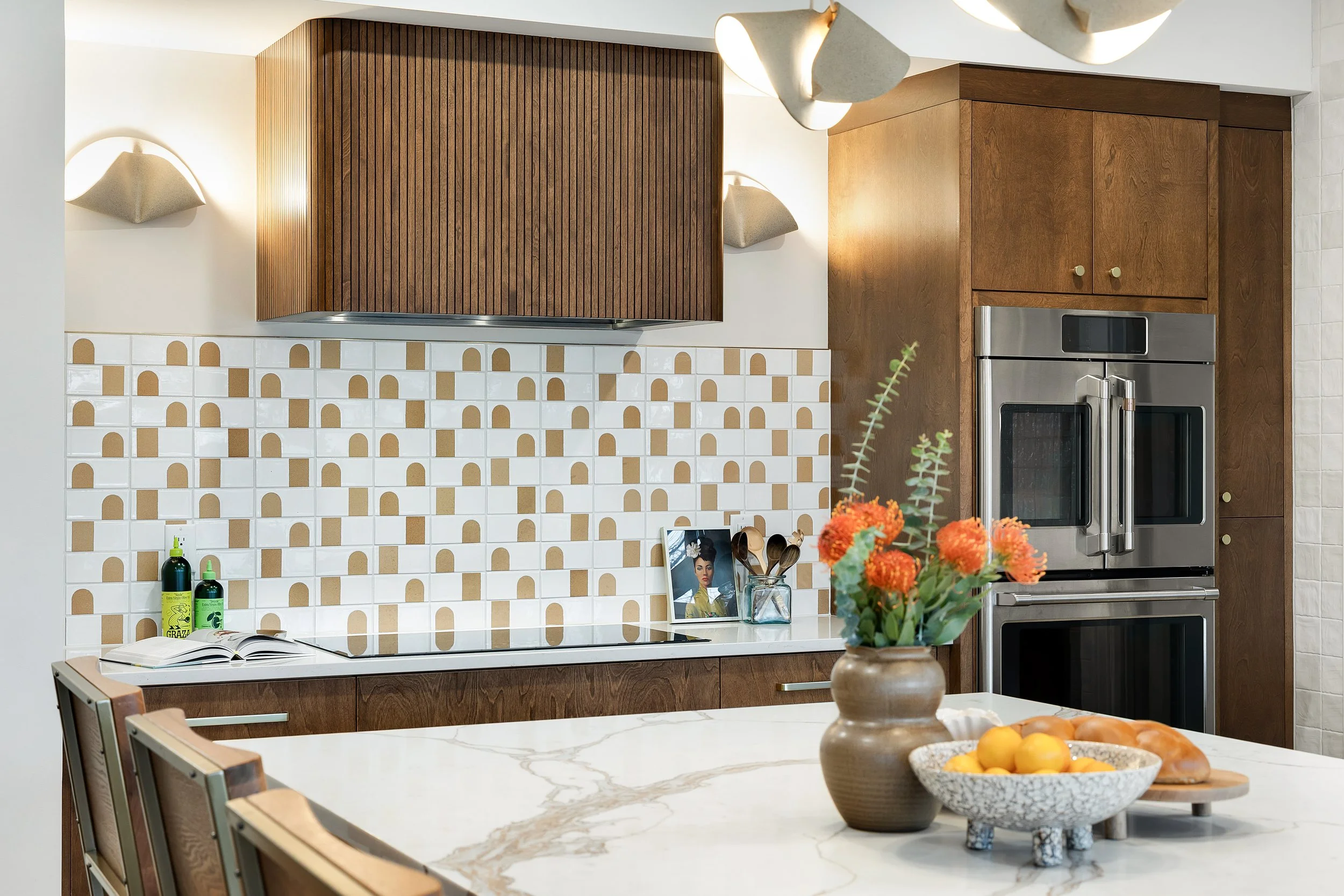
Modern appliances are more efficient than ever, but they're not built to last as long as older models were. Here's a general snapshot: refrigerators run 10–18 years, dishwashers 9–12, ranges and ovens 13–15 (gas tends to outlast electric), microwaves 7–10, washers 10–14, and dryers 10–13 years.
When multiple appliances in a home are the same age, which is common in new construction or after a full kitchen remodel, they often fail within a few years of each other. If you're buying a home where everything was updated 10 years ago, plan for a wave of replacements in the not-too-distant future.
Plumbing, Electrical & Structural - The Stuff Behind The Walls
The bones of your home tend to last longer than the systems on top of them, but they're not immune to aging. Copper plumbing pipes can last 50 to 70 years; PVC and PEX, the modern standard, are rated for 25 to 40 years. Galvanized steel pipes, found in older homes, have a lifespan of 20 to 50 years and may already be past their prime. If you're buying a home built before 1980, a plumbing inspection is a smart move.
Electrical panels typically last 25 to 40 years, though older Federal Pacific or Zinsco panels are considered safety risks and often flagged by inspectors regardless of age. Wiring itself can last 50 to 70 years, but aluminum wiring (common in homes built from the mid-1960s to mid-1970s) requires special attention. As for the structure itself, the foundation, framing, and roof decking, a well-built home can last 100 years or more. Regular maintenance is the key variable.
Homeownership rewards the prepared. Knowing roughly when things will need attention lets you budget gradually rather than scramble reactively. Whether you're buying your first home or your fifth, a simple home maintenance timeline, tied to the age of each major system, is one of the most valuable documents you can keep on hand.
If you have questions about what to look for when buying a home in the Twin Cities, the Fox Realty team is here to help.