
The Secret to a Clutter-Free Life? The Back Kitchen.
The open-concept kitchen has a dirty little secret: it’s nearly impossible to keep it looking like the magazine photos while actually living in it.
For years, we’ve prioritized the "great room" layout, turning the kitchen into a high-design social hub. However, as the walls came down, the clutter had nowhere to hide. The toaster, the coffee grounds, the half-prepped dinner, and the mountain of snacks were suddenly on full display for every guest to see.
In 2026, the solution isn't to build a smaller kitchen - it’s to build a “back kitchen”. Part high-capacity pantry, part heavy-duty prep station, this hidden powerhouse is becoming a more frequently requested feature in modern home design. It’s the room that allows your main kitchen to stay pristine while the real work of life happens behind the scenes.
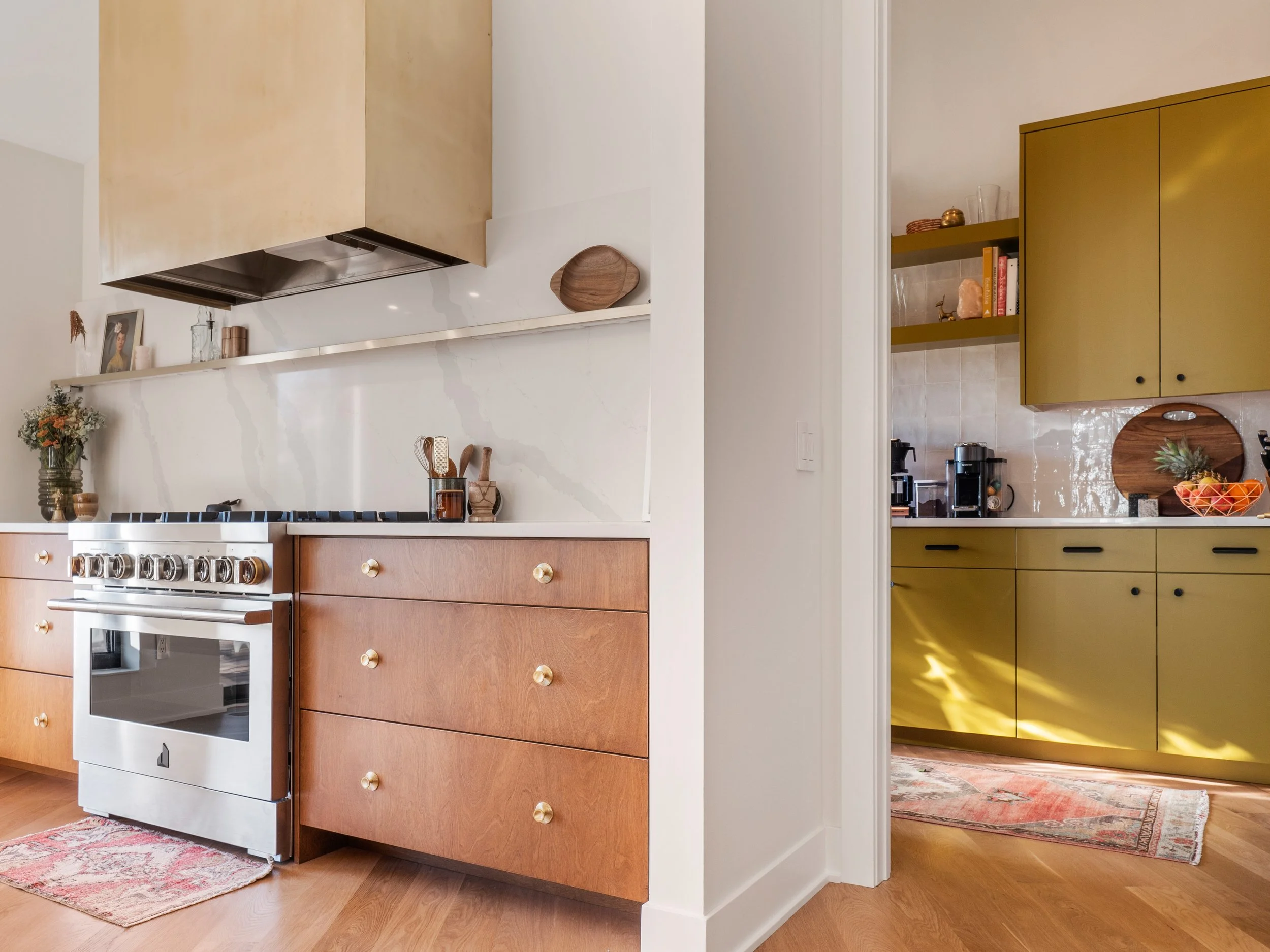
The Evolution of the Super Pantry
The days of the reach-in pantry with wire shelving are over. Homeowners are now opting for a "Super Pantry" or Back Kitchen: a walk-in space that functions as a secondary engine for the primary kitchen.
This isn't just where you store flour and pasta; it’s where you actually work. By extending the cabinetry and countertops into the pantry, you create a dedicated zone for the "noisy" and "messy" parts of a kitchen.
The Appliance Engine Room: Instead of crowding your main counters with a stand mixer, air fryer, espresso machine, and toaster, these items live permanently on the counters in the Back Kitchen. They can stay plugged in and ready to use, but out of sight.
Prep Without the Pressure: Need to chop five pounds of onions or let bread dough rise for hours? This space provides the extra surface area to handle big projects without taking your main island out of commission.
The "Drop Zone" for Groceries: Strategically placed, these spaces act as a landing pad. You can unbag, sort, and store everything in one movement, keeping the primary kitchen clear of cardboard boxes and plastic bags.
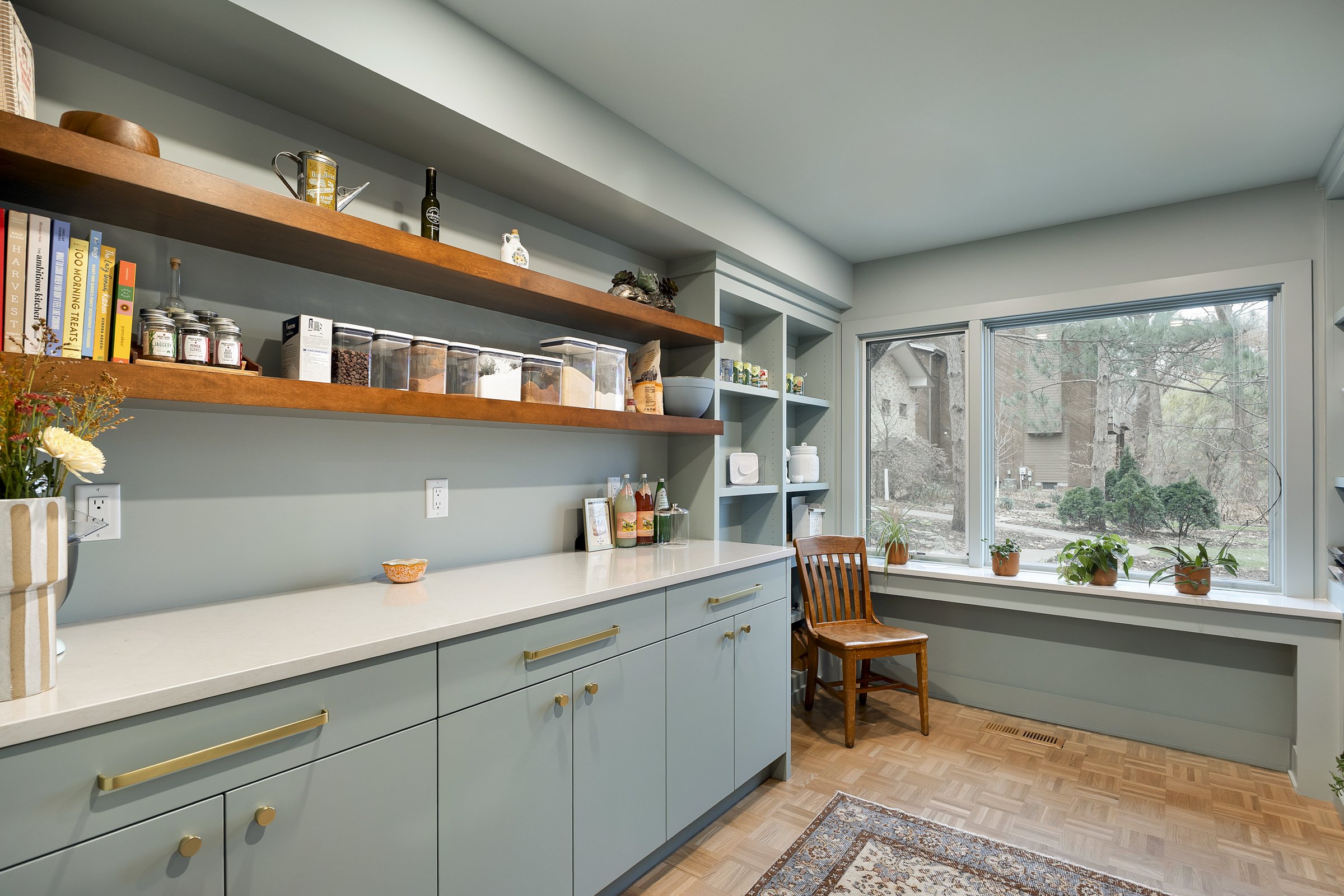
Designing the Back Kitchen
A successful Back Kitchen requires more than just extra shelving; it requires the same design intentionality as the primary kitchen. To make it a true prep space, you have to think about utility, durability, and workflow.
The Prep Sink: A secondary sink is a game-changer for rinsing produce or soaking pans that you don't want sitting in your main island sink during a dinner party.
Abundant Power: We design these rooms with continuous plug-mold strips under the shelving. This allows you to run multiple small appliances simultaneously without blowing a circuit or hunting for an outlet.
Hardworking Counters: While your main kitchen might feature a delicate, "showpiece" marble, the Back Kitchen is the place for high-performance quartz or stainless steel, surfaces that can handle heat, knives, and spills with zero stress.
Since the back kitchen is a dedicated storage zone, we utilize every inch of vertical space. Floor-to-ceiling cabinetry allows you to store seasonal items (like holiday platters or oversized stockpots) up high, while keeping daily essentials at eye level. This frees up the main kitchen to have fewer upper cabinets, allowing for more windows and a more open, airy feel.
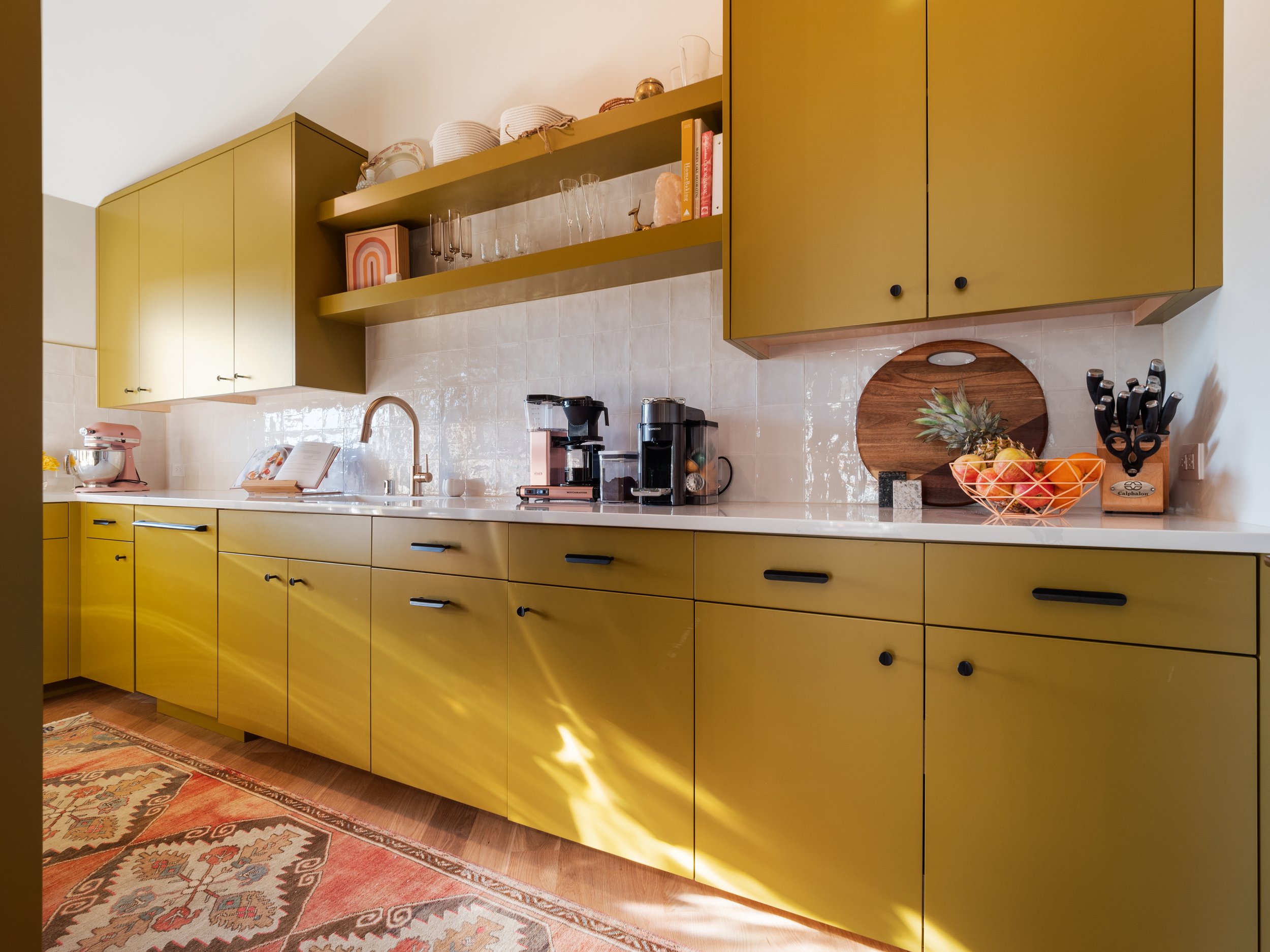
Why This is the Smartest Investment You’ll Make
From a build and real estate perspective, adding a back kitchen isn’t just a luxury, it’s a high-ROI move. Current buyers are increasingly looking for "functional luxury," and nothing says that better than a hidden room designed to manage domestic chaos.
We often talk about "invisible labor" in design. A back kitchen allows a home to look effortlessly clean. When you can move the entire mess of meal prep into a separate room and simply close the door before guests arrive, you’ve achieved a level of hosting sanity that a standard kitchen simply can’t provide.
By moving the storage and prep to the back, the main kitchen is liberated. It can become a true lounge space. We’re seeing more designs that replace heavy banks of cupboards with art, larger windows, or decorative shelving. The Back Kitchen does the heavy lifting so the Front Kitchen can do the "wowing."
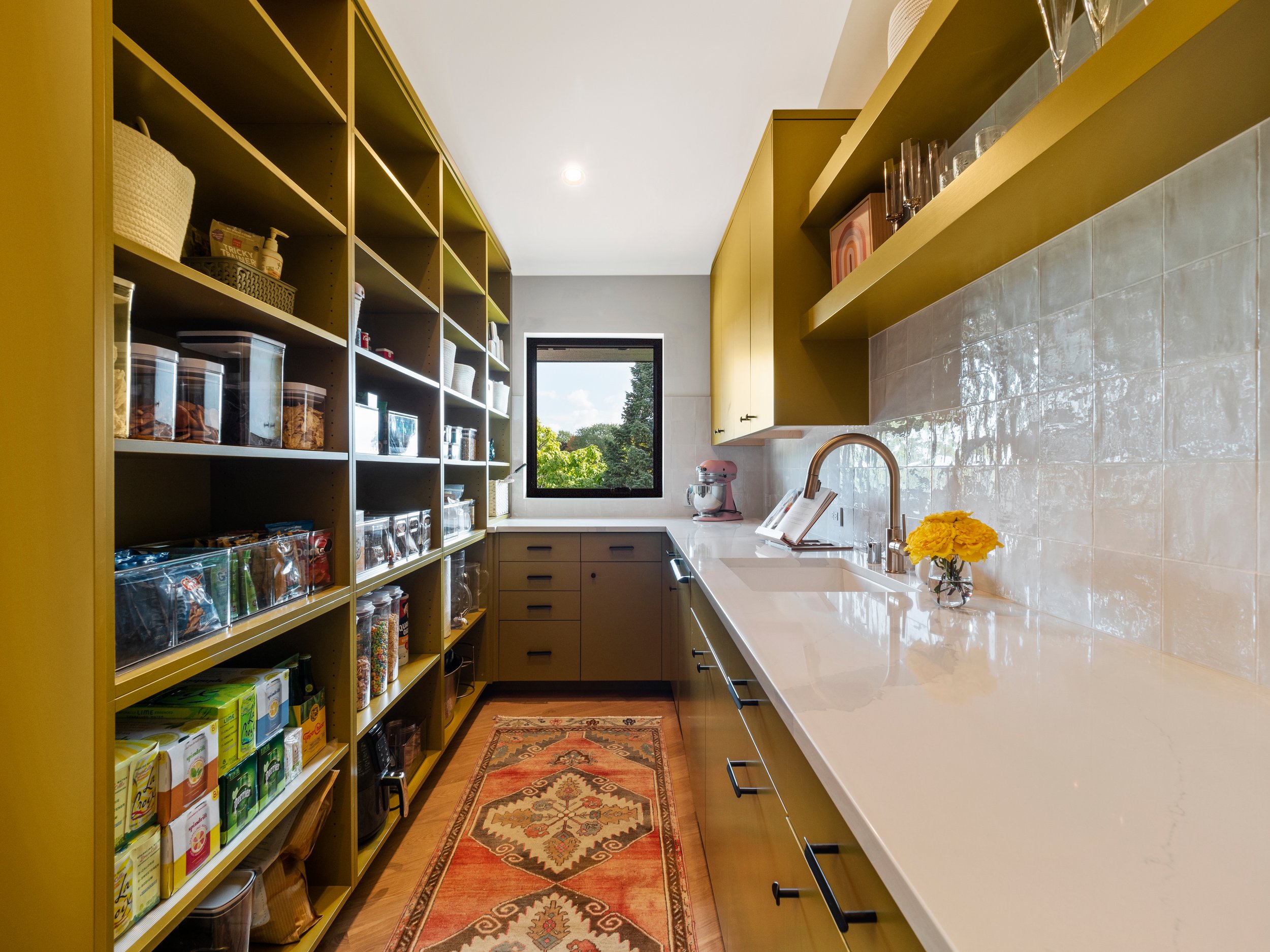
Turning Your Current Pantry Into a Powerhouse
You don't always need a brand-new build to join the Back Kitchen revolution. Many existing homes have underutilized space that can be reclaimed.
The Hallway Conversion: Often, a large hallway closet or an oversized laundry room can be reconfigured into a walkthrough bac kitchen that connects to the main kitchen.
The "Working Wall": Even if you don't have a separate room, creating a deep "wall of cabinetry" with pocketing doors can serve as a miniature Back Kitchen. You can open the doors to use your appliances and close them to hide the mess instantly.
Lighting and Air: When converting a space, don't forget the "invisible" details. Proper task lighting and adequate ventilation are essential if you plan on doing actual food prep in a smaller, enclosed area.
The Back Kitchen is the ultimate evolution of the modern home. It acknowledges that we want our homes to look like sanctuaries, but we need them to work like professional workshops. By moving the "work" to the back, you finally get the best of both worlds.