
AI Staging vs. Physical Staging: Why Buyers Still Trust What They Can Touch
Scroll through any real estate listing site today and you'll notice something: rooms that look a little too perfect. Flawless furniture placement, impossibly bright lighting, and a suspicious absence of dust. Welcome to the world of AI staging – a fast, cheap way to digitally furnish an empty room. It's tempting, it’s inexpensive, and for sellers who want to save money, it can feel like a no-brainer.
However, at Fox Realty, we've seen both sides of this story play out in real transactions, with real buyers, and real closing numbers. While AI staging has its place, physical staging still wins when it comes to actually selling a home, not just making it look good in a photo.
Here’s why.
What AI Staging Actually Does (and Where It Falls Short)
AI staging tools use software to digitally insert furniture, rugs, and decor into photos of empty rooms. It's fast, often ready within hours, and it costs a fraction of hiring a professional stager. For sellers on a tight budget or timeline, that appeal is real.
That said, the technology only works on the photo. It doesn't change what a buyer experiences when they walk through the front door. Buyers touring an AI-staged home often report a jarring disconnect: the listing photos showed a cozy, furnished living room, but in person, they're standing in an empty box. That gap between expectation and reality doesn't just disappoint, it can actively damage trust in the listing, the agent, and the seller.
There's also a growing awareness among buyers that AI staging exists at all. As the technology has become more common, more house hunters know to ask, "Is this staged digitally?" Once that question is on the table, every photo in the listing becomes suspect.

The Emotional Connection Physical Staging Creates
Buying a home is rarely a purely logical decision. It's emotional, too. Buyers aren't just evaluating square footage and layout.Tthey're imagining their life happening inside those walls. Physical staging taps directly into that emotional decision-making in a way no digital rendering can replicate.
When a buyer walks into a physically staged home, they can sit on the couch, run their hand along the countertop, and get a real sense of scale and flow. They can smell fresh flowers on the table or notice how afternoon light hits the reading nook. These sensory details build a genuine emotional connection to the space – the kind that turns a "maybe" into an offer.
AI staging simply can't offer that in-person moment. It only exists on a screen, and the emotional impact evaporates the second a buyer steps through the door.

Why Buyers Feel Misled by Virtual Staging
Trust is everything in a real estate transaction, and nothing erodes it faster than a buyer feeling misled. When listing photos show a beautifully furnished space but the actual walkthrough reveals bare rooms, buyers start to wonder what else might be exaggerated or inaccurate about the listing.
This isn't just a hunch. It’'s a pattern real estate professionals encounter regularly. Buyers who feel tricked by staging photos tend to scrutinize everything else more critically: square footage claims, renovation dates, even the seller's disclosures. That heightened skepticism can slow negotiations, invite lowball offers, or send buyers running to the next listing altogether.
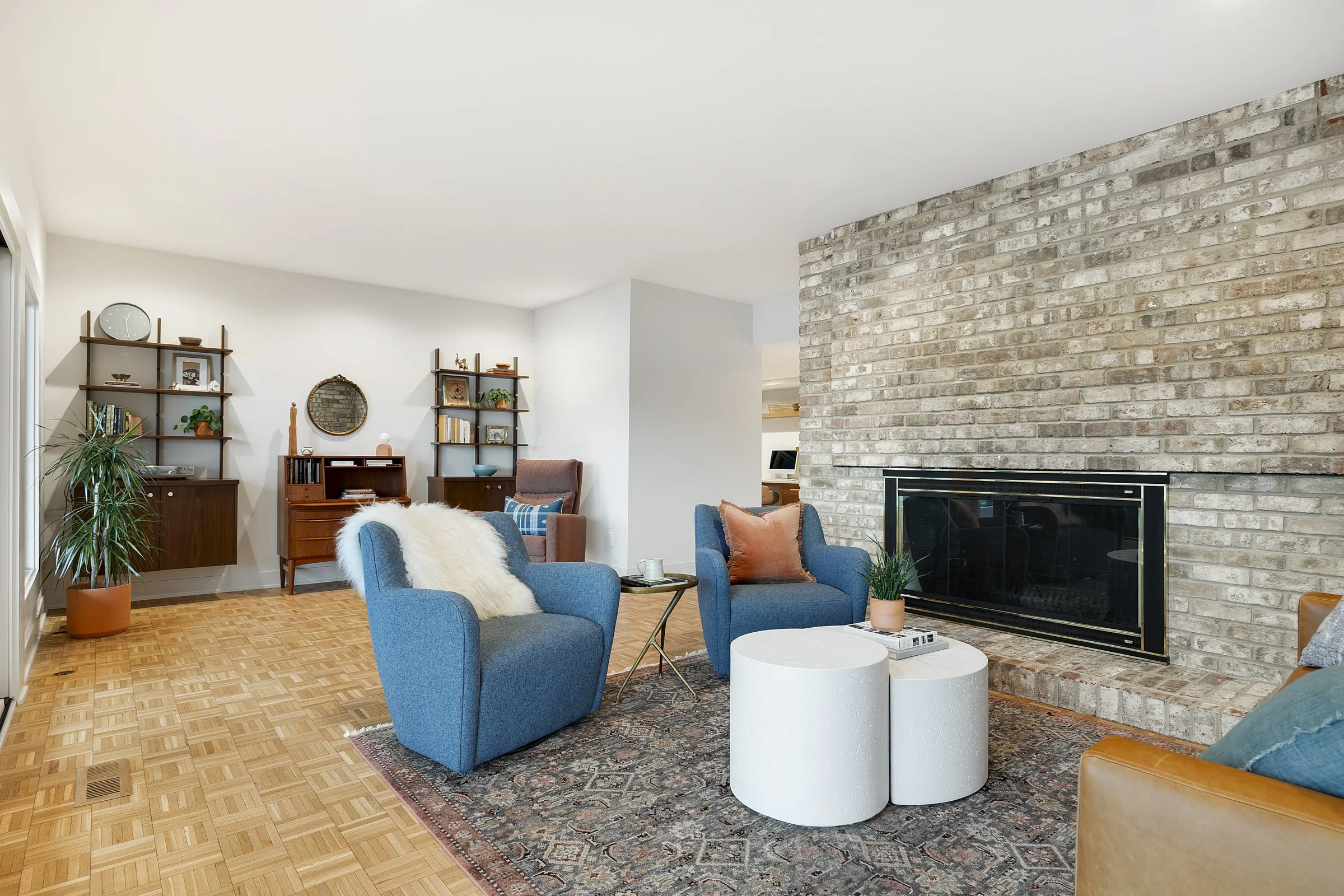
Physical staging avoids this problem entirely. What buyers see in the photos is what they get in person, which keeps the entire transaction grounded in trust from the first click to the closing table.
The ROI Case for Physical Staging
Cost is often the deciding factor for sellers weighing their staging options, so let's talk numbers. Yes, physical staging costs more upfront than AI staging, but the return on investment tells a different story.
Professionally staged homes tend to sell faster and closer to, or above, asking price, because buyers can more easily picture themselves living there and feel confident in what they're purchasing. Faster sales mean fewer carrying costs for sellers: less time paying a mortgage, utilities, and taxes on a vacant property. Homes that don't create a photo-versus-reality letdown are less likely to sit on the market while buyers second-guess the listing.
When you factor in fewer renegotiations, fewer buyer walk-aways, and a smoother path to closing, physical staging often pays for itself.
AI staging might save a few dollars and a few days, but when it comes to building buyer trust, creating genuine emotional connection, and closing deals at the price sellers actually want, physical staging remains the smarter investment.