
The Art of Texture: How to Add Depth to Any Room
Ever walk into a room that looks great on paper, the colors are coordinated, the furniture all fits, but somehow still feels a little... flat? Nine times out of ten, the missing piece is texture. It's the stuff you feel before you even notice it, and it's what turns a room from "decorated" into "I never want to leave this couch."
Color tends to get all the credit in design talk, but texture is really doing the heavy lifting. It's what makes a neutral room feel rich instead of empty, and a bold room feel grounded instead of messy. Right now, texture is having a real moment, so let's discuss how to bring it into your home, starting with the easiest entry point of all.
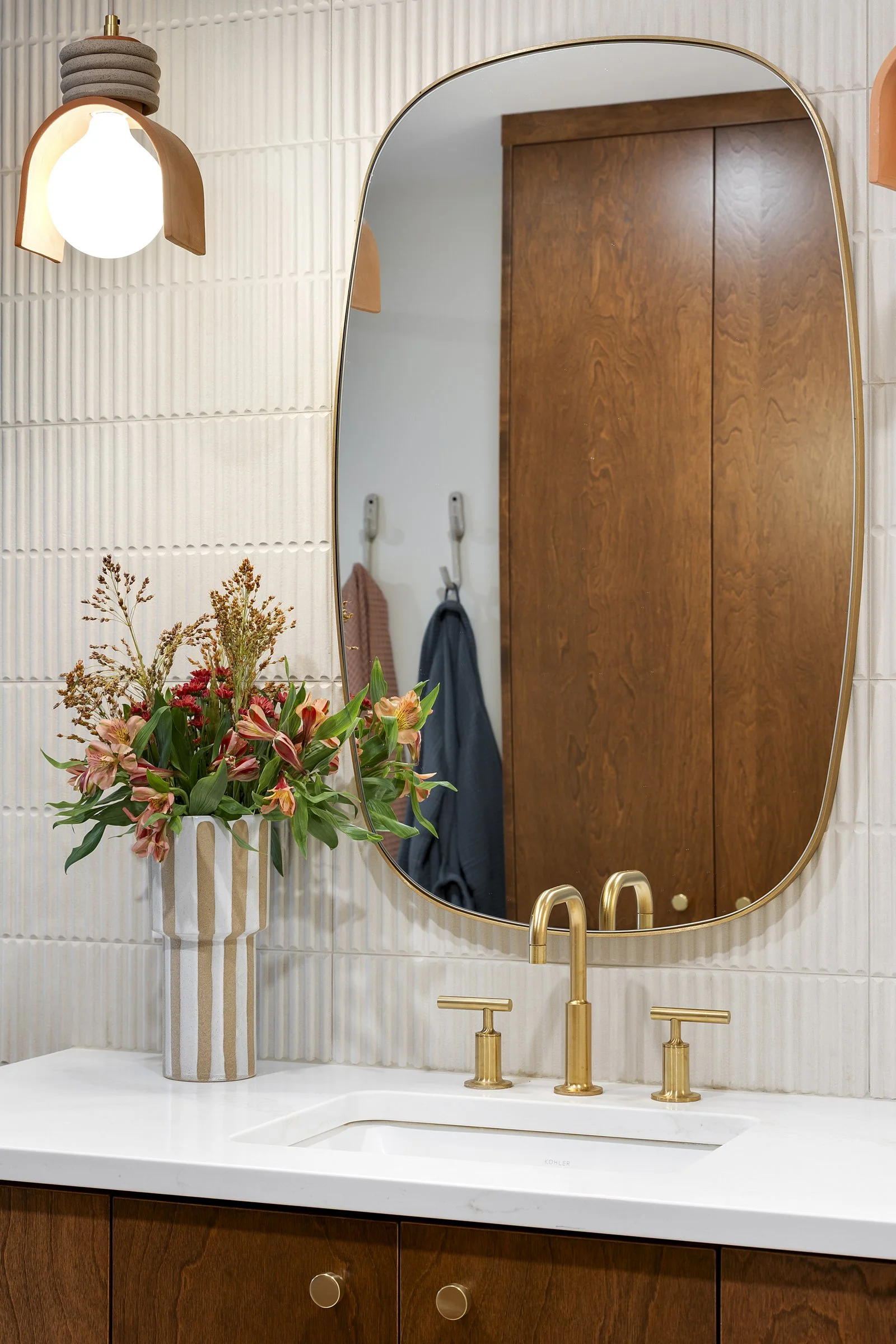
Textiles: Your Low-Commitment Way In
Pillows, throws, curtains, upholstery – this is where you get to play without committing to anything permanent. Swap a pillow, change the whole vibe.
Florals and forest-themed prints are back in a big way. Not grandma's-couch florals, though…think moody botanical illustrations, deep greens, dried-flower tones, trailing vines, the occasional mushroom, all rendered in rich chenilles and hand-blocked linens. It's giving "woodland cottage," not "doily."
A few easy ways in:
Start small. A couple of botanical throw pillows on a plain sofa is the lowest-risk way to test-drive the look.
Play with scale. One big, bold floral on a statement chair, paired with a smaller sprig print nearby, keeps things interesting instead of matchy.
Change the fabric, change the mood. That same print in velvet feels moody and romantic; in linen it feels relaxed and garden-fresh. Same pattern, totally different room.
Lean into the materials it loves. Warm wood, rattan, brass. These all feel like a natural extension of a botanical print, like the room grew up around it.
Don't stop at pattern. Texture-on-texture is where the magic really happens. A bouclé pillow next to a linen one. A chunky knit throw over a smooth leather chair. A jute rug under a glossy coffee table. The contrast is what makes each piece feel special.
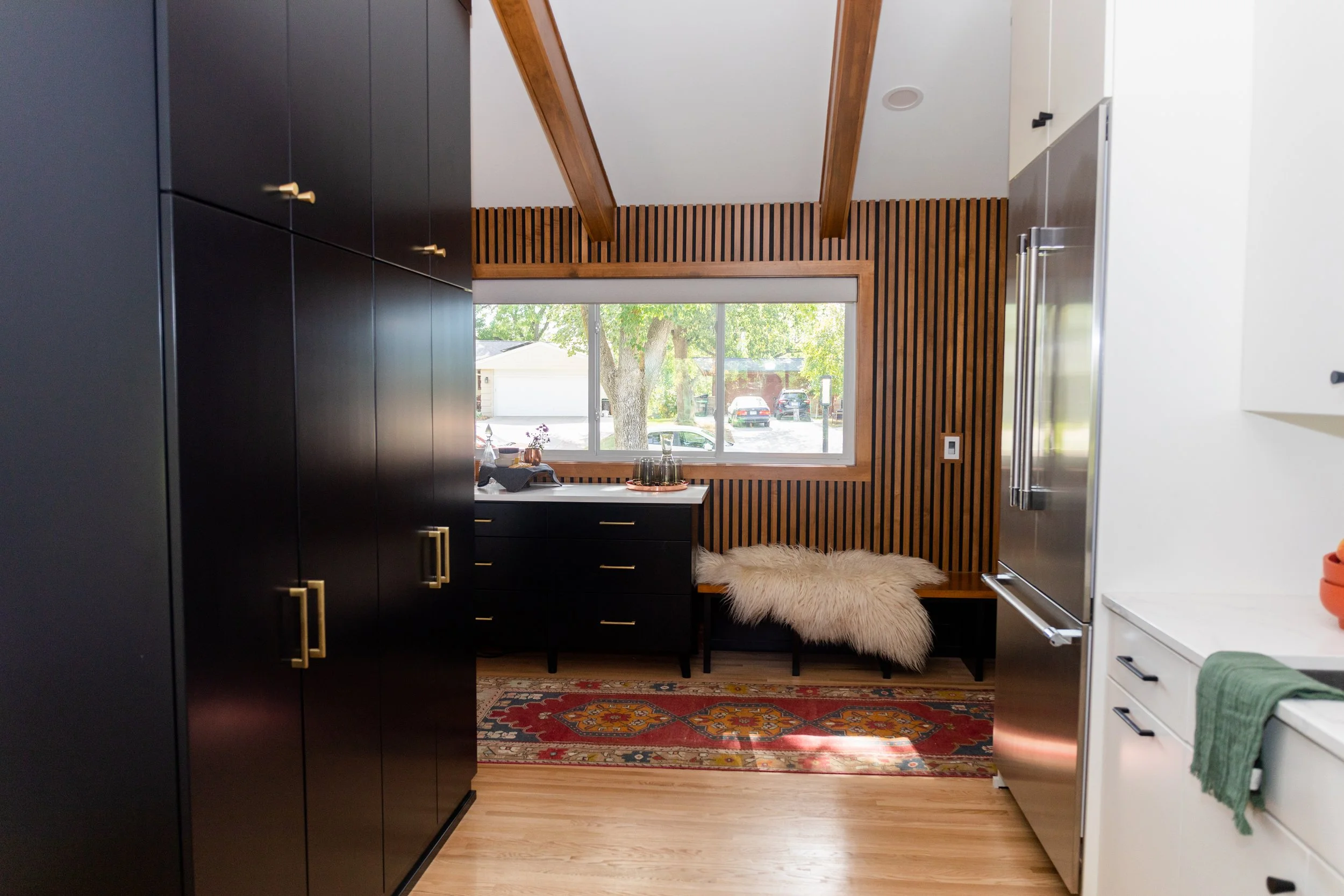
Fluted and Reeded Furniture: Texture With Structure
If textiles are the soft layer, fluted and reeded furniture is the architectural one. Both use repeated grooves or ridges (fluting is carved in, reeding is built up) and both have exploded in popularity for one simple reason: they catch light.
That's really the whole trick. As sunlight moves across a fluted cabinet or a reeded table leg through the day, the piece seems to shift and shadow-play in a way flat furniture just can't. It's texture and movement without adding a single new color, which is exactly why it's such a favorite with designers who want a room to feel "finished" without feeling fussy.
A few favorite places to use it:
Sideboards and cabinets. A fluted front turns basic storage into the star of the room.
Table and chair legs. Reeded legs bring the texture down low, which nicely balances a bolder, patterned piece up top.
Headboards. Fluted upholstered headboards are everywhere right now — soft meets structured in one piece.
The small stuff. Fluted glass lamps, reeded vases, ribbed ceramics are an easy way in if you're not ready for furniture-level commitment.
Fluting and reeding are pretty neutral by nature, so they play well with almost everything, including those botanical textiles. Organic pattern, clean structural line. Made for each other.
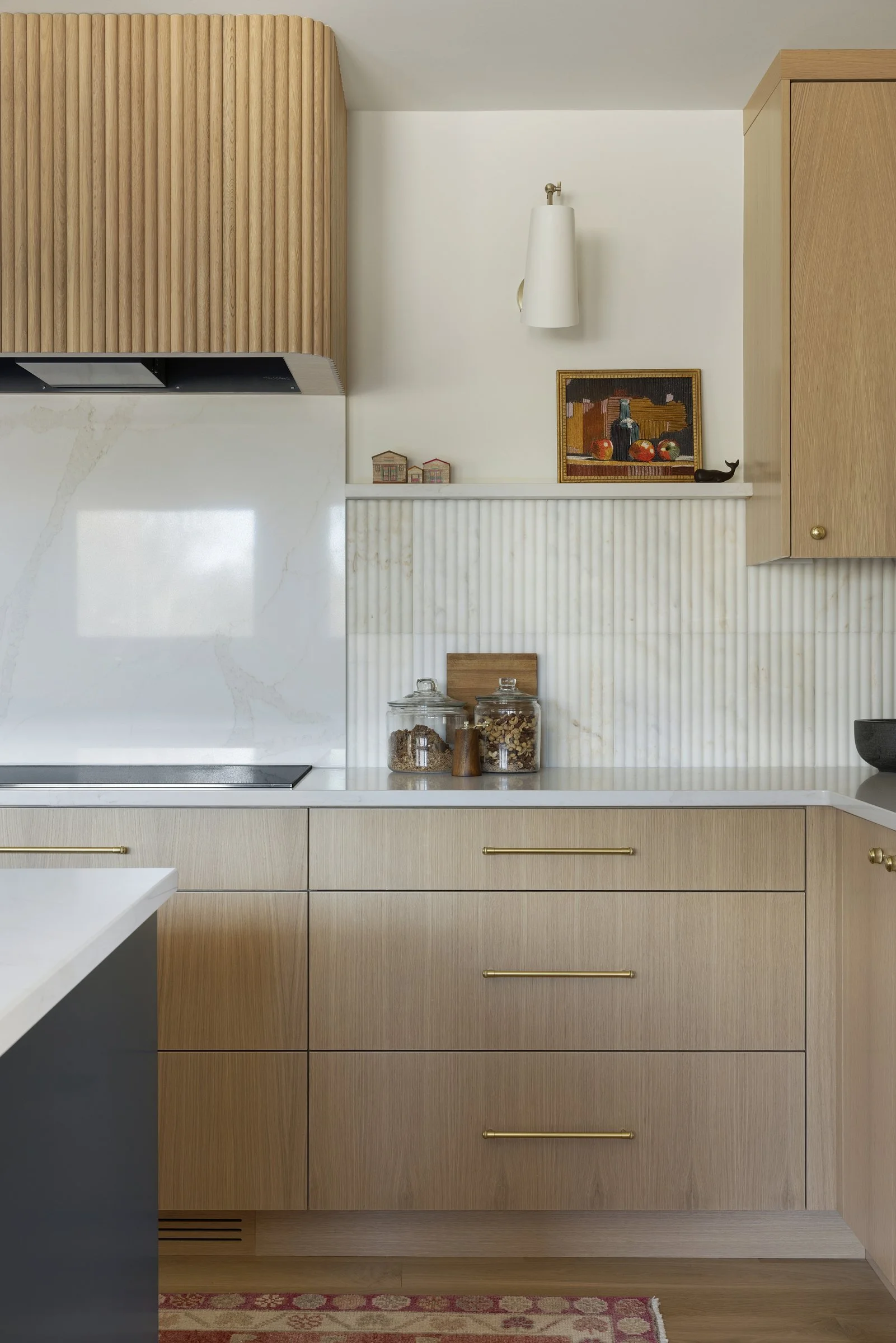
A Few More Ways to Layer It In
Once texture is on your radar, you'll start spotting chances to add it everywhere:
Natural fibers like rattan, jute, and cane bring an easy, organic feel.
Plaster or limewashed wall finishes add subtle texture that shifts with the light, kind of like fluting does.
Mixed metals and finishes, a brushed brass lamp next to a glossy vase, keep a room from feeling one-note.
Layered rugs, flatweave under something plusher, add depth right underfoot.
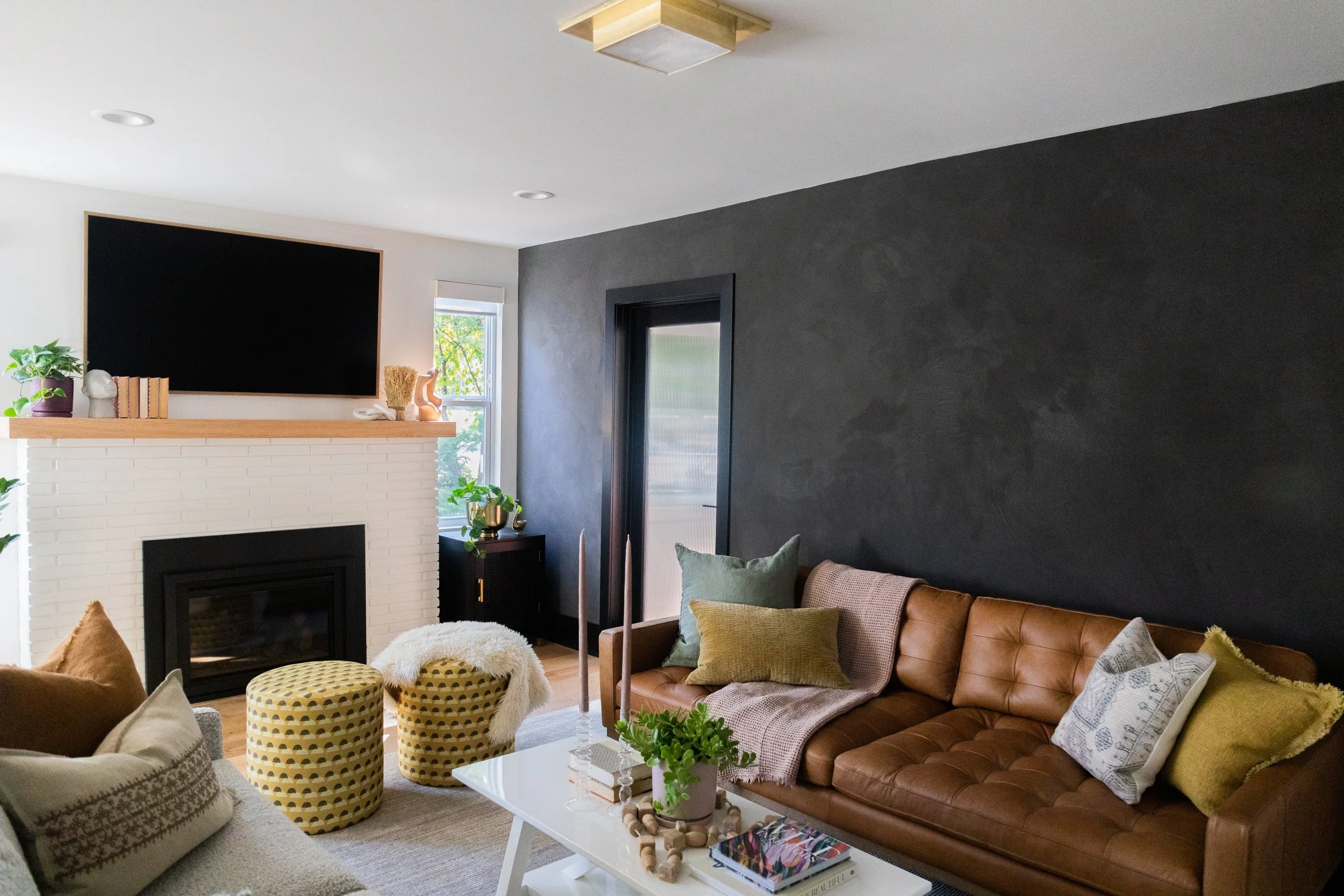
Where to Start?
Pick one texture-forward piece you love, whether that be a fluted console, a botanical sofa, or a reeded coffee table, and build out from there. Let it tell you what comes next: cozy woods and woven textures if you started with a natural rug, richer florals if you started with velvet.
Texture doesn't need to shout to make a difference. Usually it's the quiet stuff, the thing you can't quite put your finger on, that makes a room feel like home.