
Most renovation advice is quietly written for the person who will buy your house someday. Keep it neutral! Think resale! Don’t get too weird!
But what if you don't plan to leave? In a recent Houzz report, they found that 62 percent of homeowners expect to stay 11 or more years after renovating, and 45 percent say this is their forever home. If that sounds like you, the renovation rules change. You get to build a house for the person who actually lives in it. Here’s where we’d start.
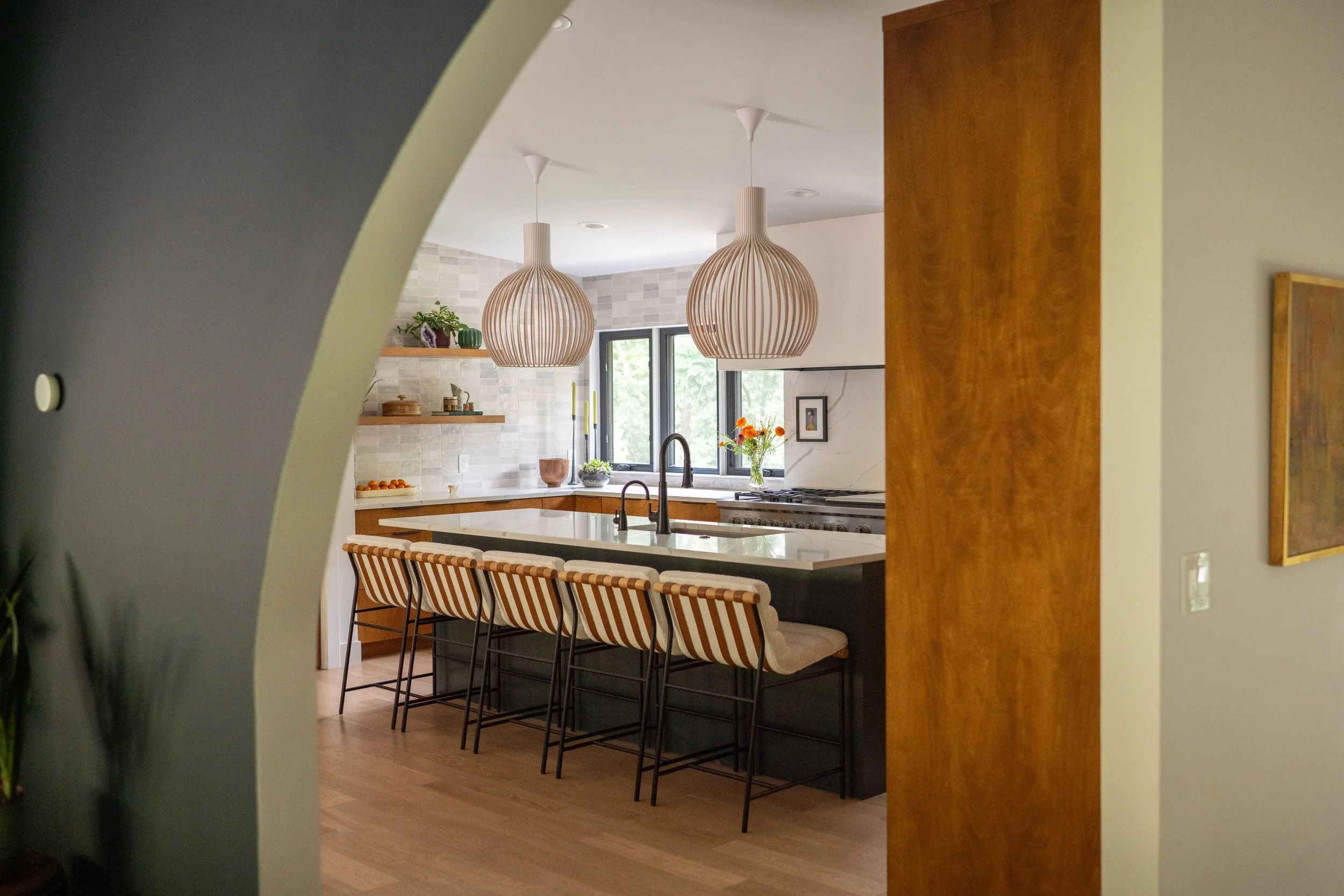
Run Everything Through the “Future You” Test
Picture yourself in your house in 15 years. Are your knees still thrilled about that staircase? Is the only bathroom upstairs? Is the “spare room” now a home office, a nursery, or your mom’s room?
You don’t need a crystal ball, just a few honest questions about how your life might change in the years to come. The answers tell you where flexibility is worth the money, like a main-floor room that’s a guest room now and a kid’s bedroom later.
Sneak in the Aging-in-Place Stuff
Nobody throws a party for a wider doorway, but not many homes are adequately equipped for older adults’ needs, so it’s worth thinking about now, while walls are already open and the work is cheaper. Easy wins:
Zero-step or low-threshold entries
Doorways and hallways with some breathing room
A walk-in shower, with extra blocking behind the walls for grab bars later
Lever handles instead of knobs
Good lighting everywhere (you’ll thank us)
Done right, it doesn’t look like a care facility. It just looks like a nice house that’s easy to live in.
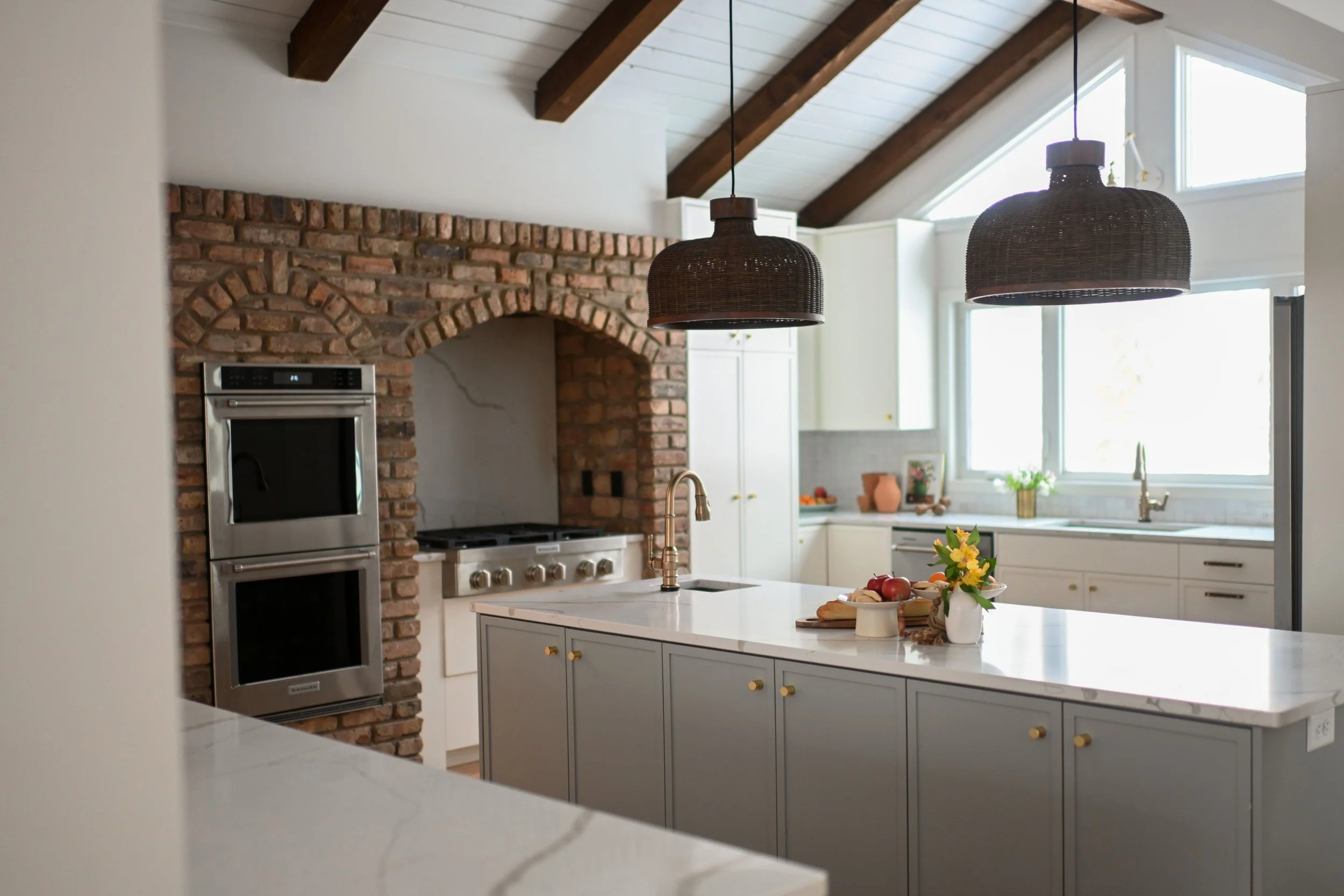
Do the Boring Stuff First
We get it… tile samples are way more fun than insulation, but if you’re staying put, the invisible upgrades are the ones that pay you back for years. Better insulation, solid windows, efficient heating and cooling, and updated wiring and plumbing mean lower bills and a more comfortable house, and you’re the one who gets the savings. Energy efficiency and sustainability are expected to be major renovation themes, with a focus on lasting value over passing trends.
Pick Stuff You’ll Still Like in 2036
Remember when every house was gray or beige? Trends move fast, so put your money into things that are hard to replace (wood, stone, quality tile, solid cabinets) and keep the base neutral. Then get your personality from things that are easy to change, like paint, lighting, rugs, and art.
A good test: if you’d be annoyed to redo it in five years, choose the classic option. If it’s a $40 swap, go crazy.
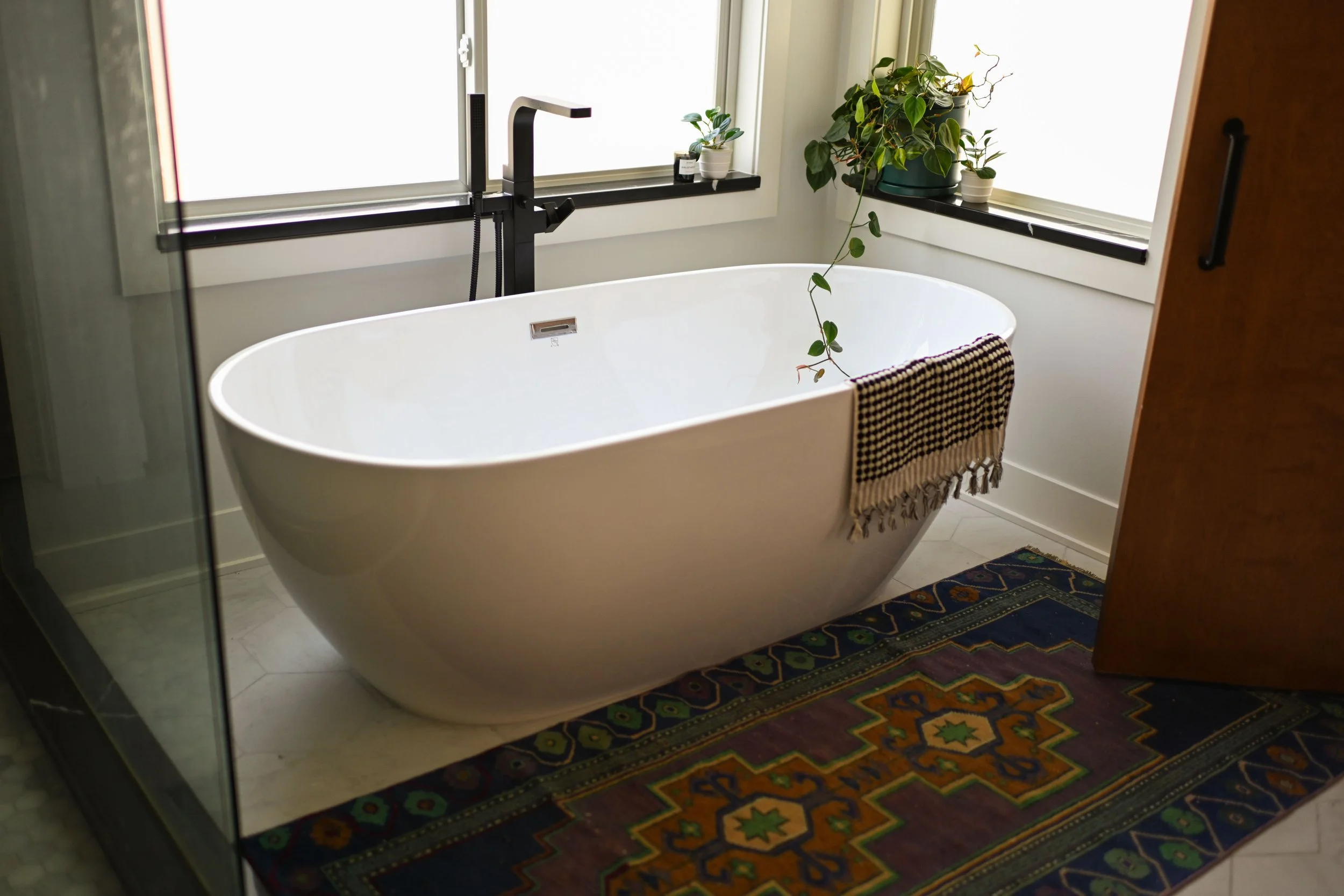
Treat the Yard Like Another Room
Outdoor space is rising in priority for homeowners right now. A covered patio, a deck, or a screened-in porch gives you real living space without the price tag of an addition. Add some low-maintenance landscaping and decent lighting, and suddenly you’ve got an extra room for half the year.
Do It in Phases (and Expect an “Oh No” Moment)
You don’t have to renovate everything at once, and honestly, you probably shouldn’t. A simple order works well:
Safety, structure, and systems (roof, wiring, insulation, anything wet or crumbly)
Function (layout fixes, kitchen, bathrooms)
Finish and fun (the deck, the paint, the pretty stuff)
Also, budget for surprises. Walls love to hide things. Setting aside 10 to 15 percent extra keeps a surprise from turning into a crisis.
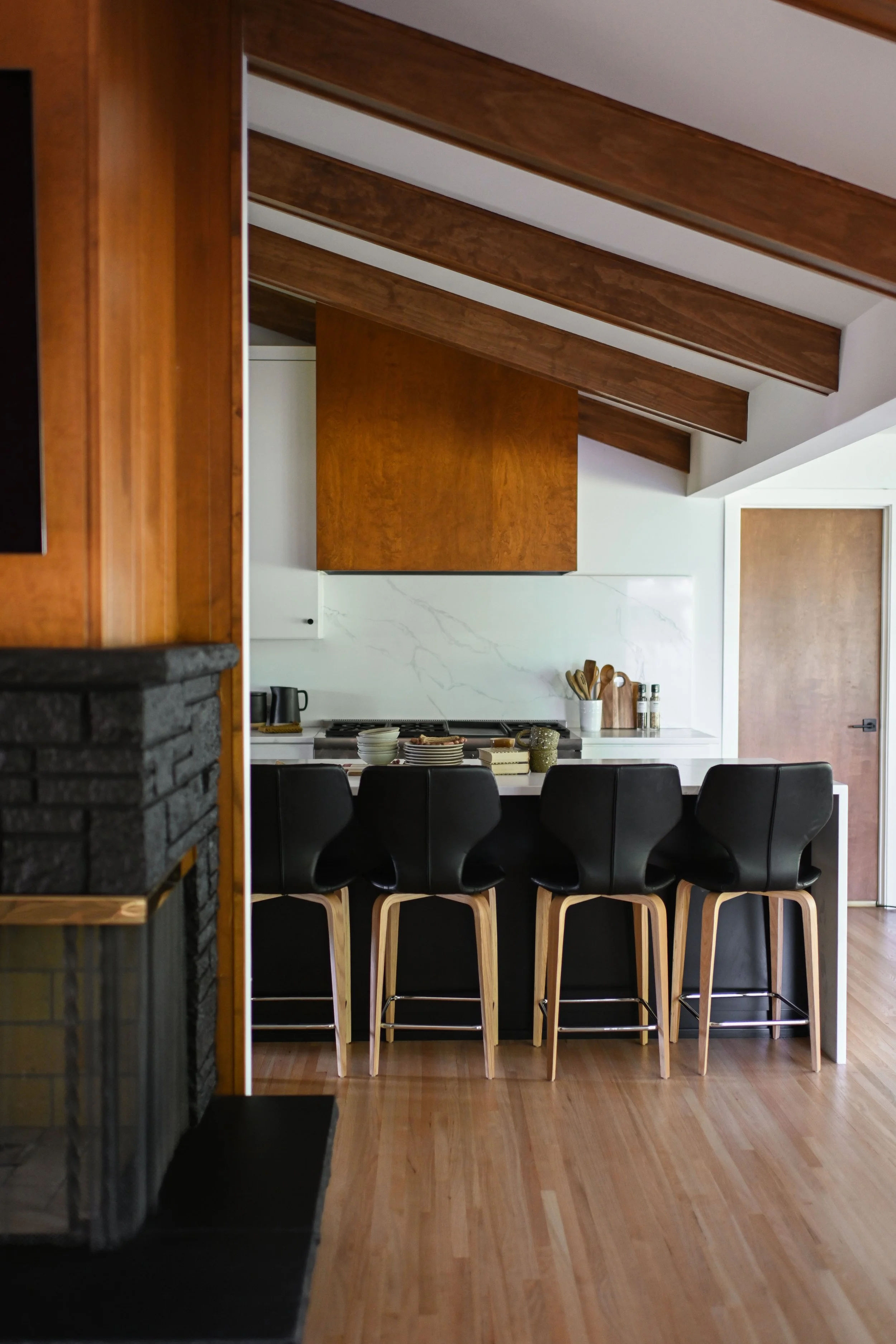
Ready to Build the House You’re Actually Staying In?
At Fox Homes, we start with a simple conversation: how do you live now, and how do you want to live later? From there, we’ll help you map out a plan that fits your budget and your timeline, with no pressure to do everything at once.