
The Art of the "Lived-In" Home: Why Perfect Isn't the Point Anymore
For years, the design internet worshipped the untouched room. Crisp corners, symmetrical throw pillows, not a single book out of place. It looked incredible in photos, but felt kind of stressful to actually live in. Enter the antidote: lived-in interiors, the design trend that's less about achieving a "look" and more about letting your space actually look like yours.
So what does "lived-in" even mean?
It's not messy. Let's clear that up first. Lived-in doesn't mean laundry on the chair or dishes in the sink pretending to be "cozy chaos." It means a room that shows evidence of real life happening in it…a stack of books with cracked spines, a wool throw draped a little off-center because someone actually used it last night, a rug with a worn patch by the door where the dog always waits.
Think of it as the difference between a hotel room and a home. A hotel room is flawless because no one lives there. Your living room should have a little friction, a little history, a little "we picked this because we love it, not because it matched."
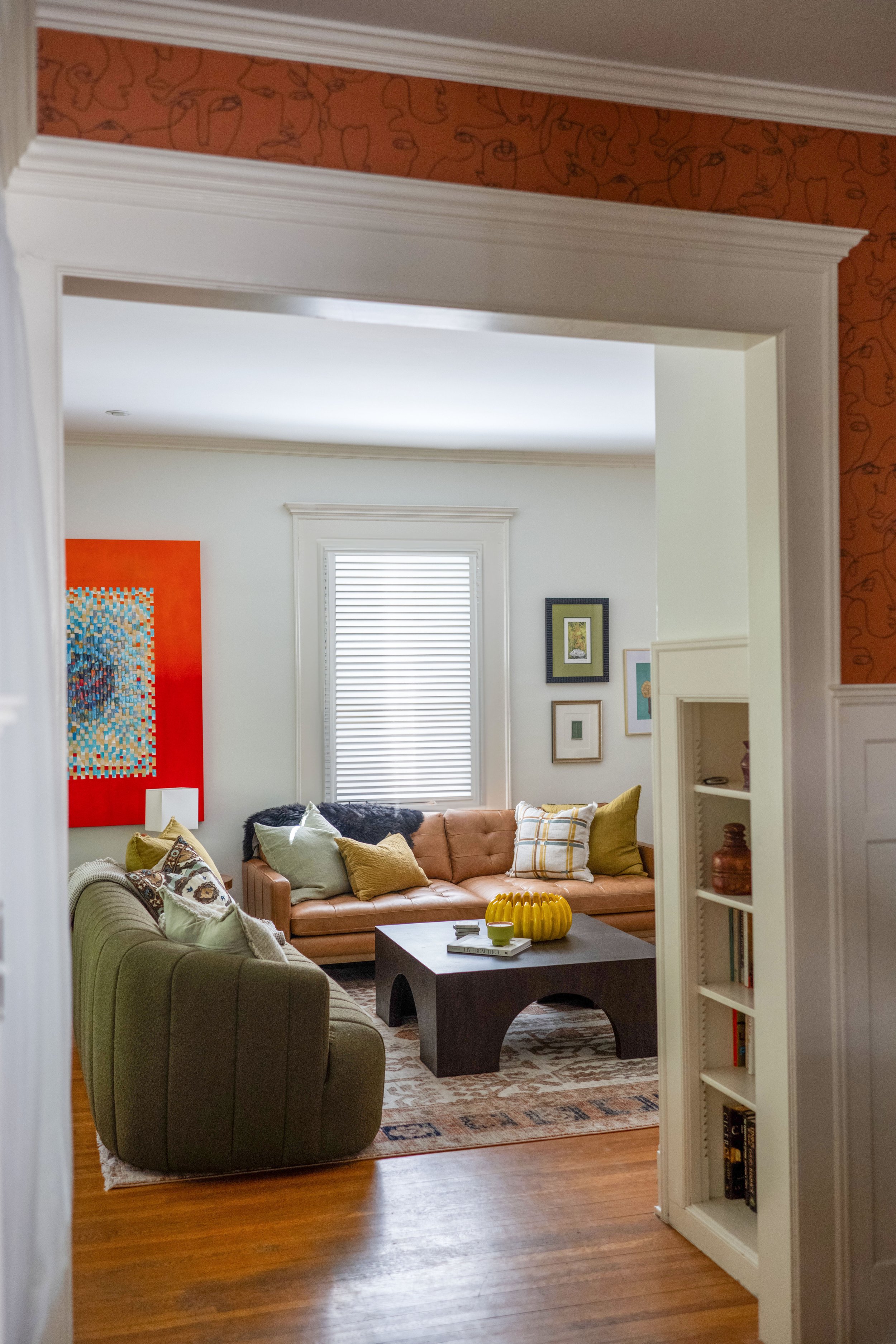
Why it's having a moment
A few things are converging here. People are tired of algorithm-driven sameness. The beige sofas, the arched mirror, the same three pendant lights showing up in every other apartment tour. Lived-in interiors push back against that by prioritizing personality over trend-chasing.
There's also a pandemic-era hangover effect. We spent a lot of time staring at our own walls, and a lot of us realized we didn't actually like living in a showroom. Comfort became non-negotiable and once comfort is the priority, "does this look good AND get used constantly?" starts to matter more than "does this look good in a photo?".
Finally, sustainability plays a role. Lived-in spaces tend to favor pieces you keep and layer over time rather than a full room refresh every season. It's slower, and slower is back in style.
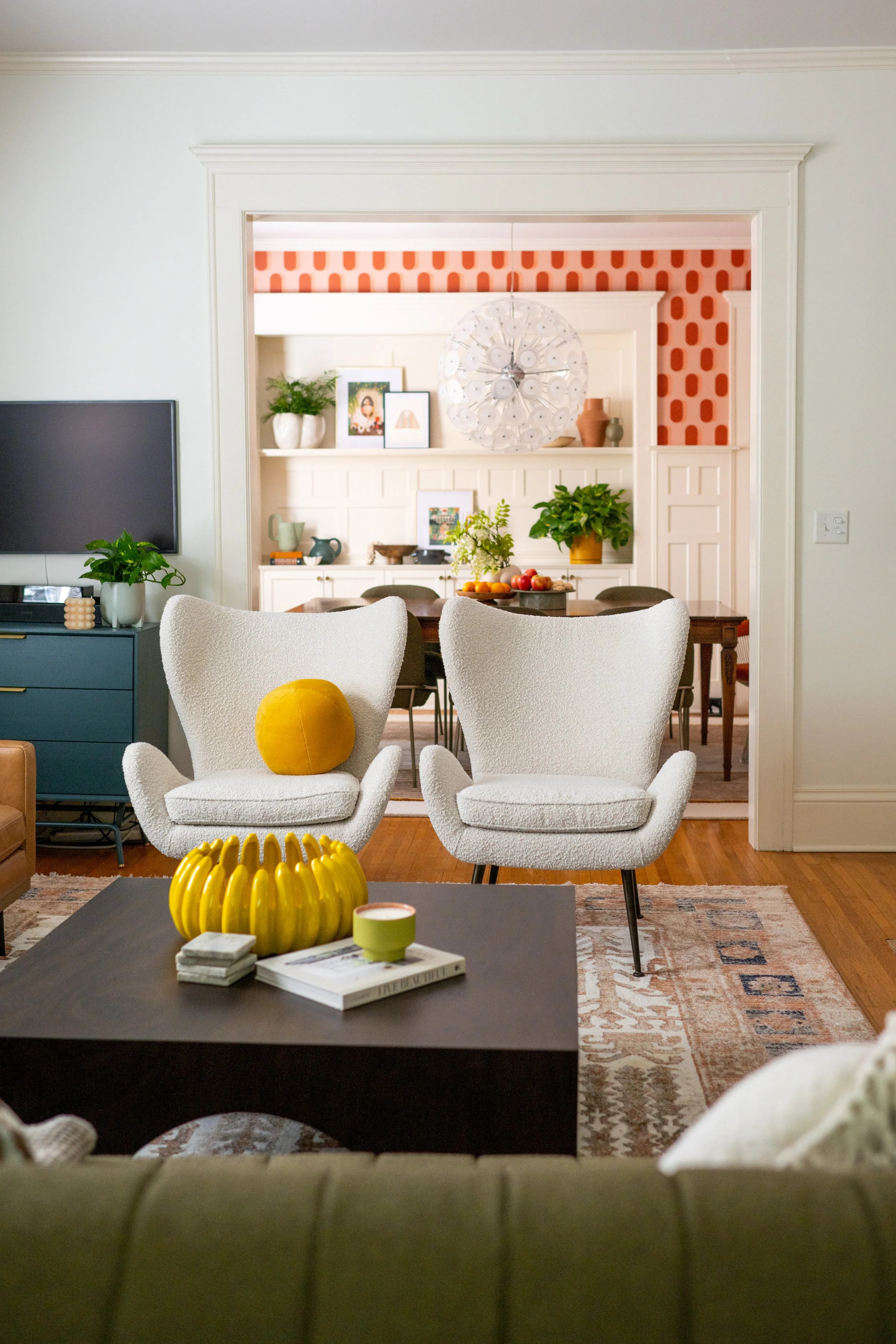
How to actually pull it off
The tricky part is that lived-in interiors look effortless, but usually aren't accidental. A few ways to get there:
Mix eras and origins. A single-source room (everything from one store, one collection) reads as staged. Pair a vintage-inspired armchair with a modern coffee table with something you inherited from your grandmother. The mismatch is the point. It signals a collection built over time, not a purchase made in one afternoon.
Let materials show their age. Leather that creases, wood with visible grain, brass that's allowed to patina instead of staying polished. These all age into character instead of just wearing out. Lean into materials that get better looking the more they're touched.
Layer textiles like you mean it. Throws, cushions in varying textures, a rug layered over a bigger rug. Uniformity is the enemy here. If every cushion matches, it looks bought as a set because it probably was.
Display the stuff you actually use. Open shelving with cookbooks that have splatter stains, a bowl for keys and loose change by the door, a stack of magazines on the coffee table. Function displayed openly is one of the fastest ways to make a space feel real.
Don't over-style the surfaces. One perfectly symmetrical vignette on a console table can be nice. A house full of them starts to feel like nobody's allowed to set anything down. Leave room for a little imperfection.
Give it time. Honestly, this is the trend's biggest secret: lived-in interiors partly just require living in them. Buy pieces you plan to keep, let them show wear, and resist the urge to "finish" the room in one go. The best lived-in spaces are never really finished, they just keep evolving with the people in them.
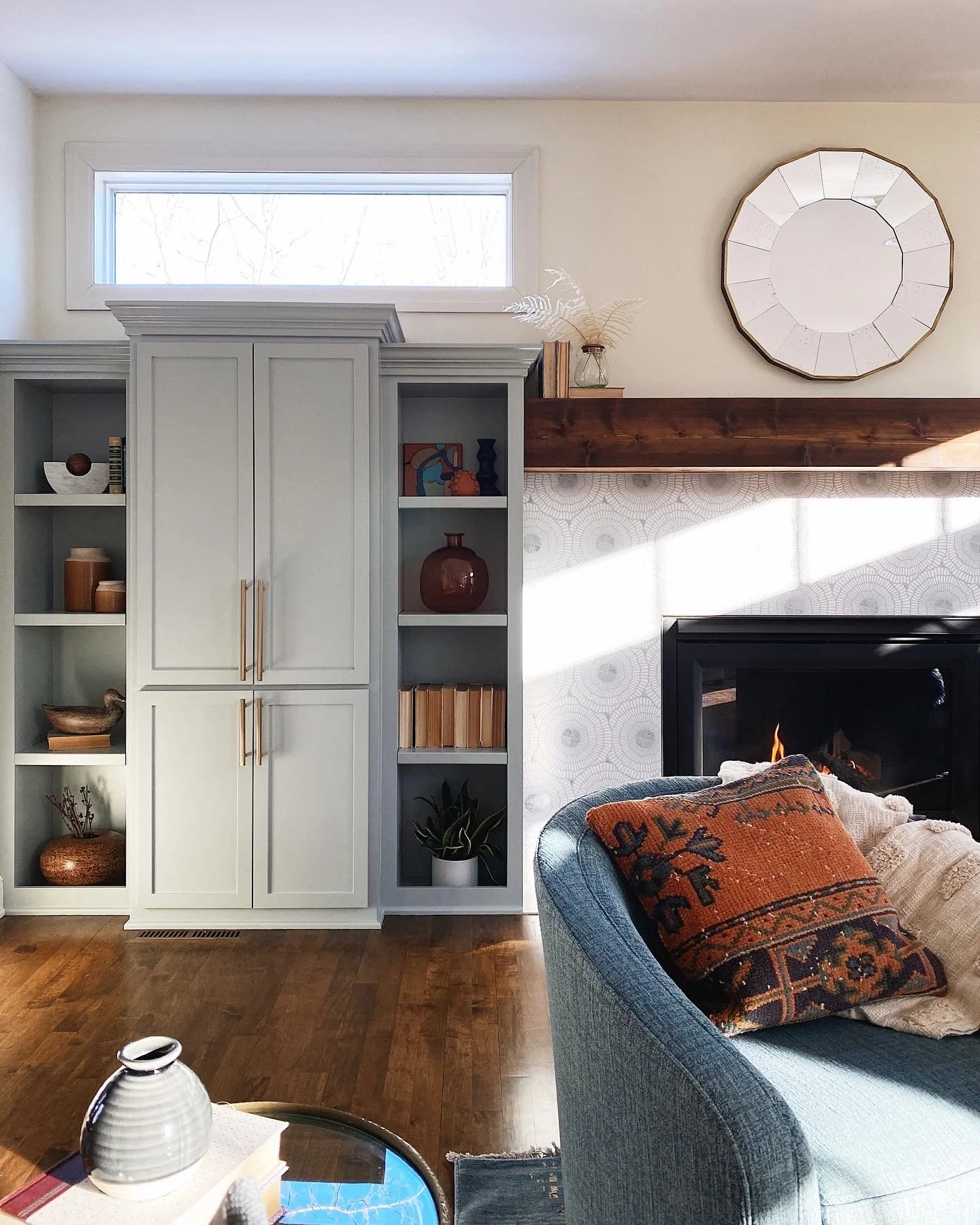
Lived-in interiors are popular right now because they're a relief. They give people permission to stop performing perfection and start actually enjoying their space. At Foxwell, that's exactly the kind of design philosophy we're into. Pieces built to be used, layered, and loved a little rough around the edges. A home that looks too perfect to touch isn't really a home.